Homeownership Is No Longer Just a “Family Goal” — It’s Becoming a Survival Strategy for Single MothersFor decades, owning a home was often marketed as part of the &ldquo
Dated: April 21 2026
Views: 13
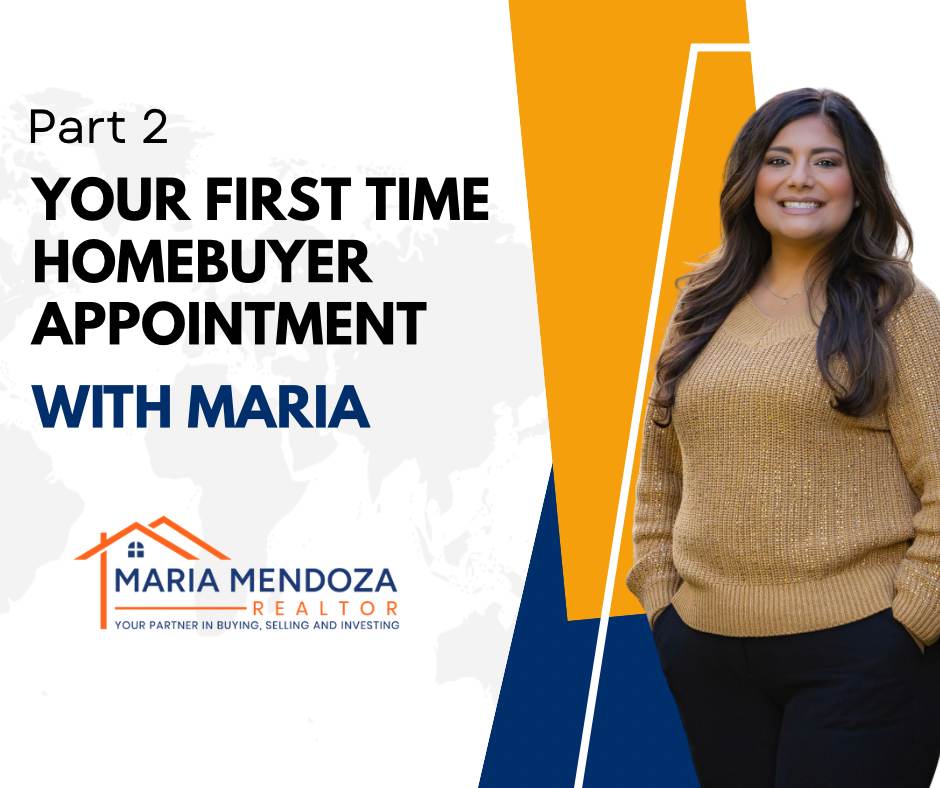 Part 2: The Hidden Costs of Buying a Home (That No One Tells You About)
You’ve been pre-approved. You know your budget. You’re ready to start looking at homes.
But here’s what a lot of first-time buyers don’t realize until it’s too late: your down payment isn’t the only money you need to bring to the table.
With so many lenders operating online now, it’s easy to get pre-approved without ever sitting down with someone who explains the full financial picture. You get a number—what you’re approved for—but not the context around what else you’ll need to cover.
That’s a problem, because the costs beyond your down payment can add up to thousands of dollars. And if you’re not prepared for them, they can derail your entire purchase.
In Part 1 of this series, we covered what happens in your first homebuyer appointment and how we make sure you understand what you can actually afford. In this post, we’re diving into the costs that catch buyers off guard—and how to plan for them.
Closing Costs: What They Are and Why They Matter
Closing costs are the fees associated with finalizing your home purchase. They typically include things like:
∙ Loan origination fees
∙ Appraisal fees
∙ Title insurance
∙ Escrow fees
∙ Recording fees
∙ Prepaid property taxes and insurance
Depending on the price of the home and the specifics of your loan, closing costs can range from 2% to 5% of the purchase price. On a $400,000 home, that’s anywhere from $8,000 to $20,000.
A lot of buyers don’t realize this until they’re weeks into the process, and by then, it’s too late to adjust.
Here’s What You Need to Know About Closing Costs
Closing costs are negotiable—but only if you negotiate them upfront as part of your offer.
You have a few options:
1. Pay them out of pocket at closing
2. Roll them into your loan (if your loan type allows it)
3. Ask the seller to cover them as part of your offer
But here’s the key: you can’t decide later that you want help with closing costs. It has to be part of your initial offer. If you write an offer without addressing closing costs and then realize you can’t afford them, you’re stuck.
This is why we talk about this during your buyer appointment and why I work closely with your lender to run the actual numbers before we write an offer. We make sure you know exactly what you’ll need to bring to closing so there are no surprises.
Earnest Money: What It Is and When It’s Due
Earnest money is a deposit you make when your offer is accepted. It shows the seller you’re serious about buying the home.
The amount varies, but it’s typically 1% to 3% of the purchase price. On a $400,000 home, that could be $4,000 to $12,000.
Here’s what catches buyers off guard: earnest money is due quickly—usually within a few days of your offer being accepted. If you don’t have that money readily available, it can create problems.
When Is Earnest Money at Risk?
Your earnest money is protected during the inspection and financing contingency periods. If you back out for a valid reason covered by your contingencies—like a failed inspection or financing falling through—you get your earnest money back.
But if you back out for reasons not covered by your contingencies, or if you miss deadlines outlined in the contract, you could lose your earnest money.
This is why understanding the timeline and the terms of your contract matters. I walk buyers through this so they know exactly when earnest money is at risk and when it’s protected.
Down Payment vs. Down Payment Assistance
Most buyers know they need a down payment, but there’s confusion around how much and what options exist.
Conventional loans typically require 3% to 20% down, depending on your situation and whether you’re willing to pay private mortgage insurance (PMI).
FHA loans require as little as 3.5% down, but come with mortgage insurance that stays with the loan for its life in many cases.
Washington State Housing Finance programs offer down payment assistance for qualified buyers, which can significantly reduce the cash you need upfront.
A lot of buyers assume they need 20% down and think homeownership is years away. In reality, there are programs designed to help first-time buyers with smaller down payments. But you have to know they exist—and that’s where working with an agent and lender who explain your options makes all the difference.
Running the Numbers Before You Make an Offer
Here’s how I work with buyers to avoid surprises:
Before we write an offer, I collaborate with your lender to run the actual numbers based on the specific home you’re interested in. We calculate:
∙ Your estimated monthly payment (including principal, interest, taxes, insurance, and HOA fees if applicable)
∙ Your closing costs
∙ How much earnest money you’ll need
∙ What your total cash-to-close will be
This way, you know exactly what you’re committing to before you sign anything. No guessing. No surprises two weeks before closing.
Why Online Pre-Approvals Miss These Details
Getting pre-approved online is convenient, but it’s also limited. You get a number—what you’re approved to borrow—but not the full financial picture.
Most online lenders don’t explain:
∙ What your actual monthly payment will be on a specific home
∙ How much you’ll need for closing costs
∙ When earnest money is due
∙ What happens if you can’t cover these costs
That’s not because they’re trying to hide anything—it’s just not part of their process. They approve you for a loan amount and move on.
That’s where I come in. I make sure you understand not just what you’re approved for, but what you’ll actually need to bring to the table and when.
What Happens If You’re Not Ready Yet?
If we go through these numbers and realize you’re not quite ready—maybe you need a few more months to save for closing costs, or you need to pay down some debt to improve your loan terms—that’s okay.
I work with buyers who aren’t ready to purchase immediately all the time. We create a clear plan with your lender: save X amount over the next six months, pay off this credit card, and then we revisit.
There’s no pressure. The goal is to set you up for success, not to rush you into a purchase you’re not prepared for.
You Deserve to Know What You’re Getting Into
Buying a home is one of the biggest financial decisions you’ll make. You deserve to understand the full picture—not just your loan approval amount, but what you’ll actually need to cover and when.
That’s what this appointment process is designed to do: prepare you so there are no surprises, no last-minute scrambling, and no regrets.
Next Up: Managing Expectations
In Part 3 of this series, we’ll talk about what homes actually look like at different price points in our market, why your first home doesn’t need to be your forever home, and how the buying process actually works once you start making offers.
If you’ve been wondering what to expect during inspections, negotiations, and closing, that post will walk you through it.

Maria Mendoza is a seasoned Real Estate Broker with 9 years' experience in the industry. A lifelong resident of Skagit County and well known in the community for her passion of helping clients achie....
Homeownership Is No Longer Just a “Family Goal” — It’s Becoming a Survival Strategy for Single MothersFor decades, owning a home was often marketed as part of the &ldquo
Single Mothers Are Becoming Homeowners at Record Rates — Here’s Why It MattersFor years, homeownership was often seen as something that required a dual income or traditional family
The real estate market in Skagit County is shifting into a more balanced market compared to the fast-paced frenzy we experienced over the last several years. While homes are still selling,
Part 1: What to Expect in Your First Homebuyer AppointmentBuying your first home is a big deal. It’s probably the largest financial decision you’ll make, and there’s a lot of
 Claims of Copyright Infringement & Related Issues
Disclaimer:
IDX information is provided exclusively for consumers' personal noncommercial use,
that it may not be used for any purpose other than to identify prospective properties
consumers may be interested in purchasing, that the data is deemed reliable but is not
guaranteed by MLS GRID, and that the use of the MLS GRID Data may be subject to an end user
license agreement prescribed by the Member Participant's applicable MLS if any and as amended
from time to time.
The information contained in this listing has not been verified by NextHome 365 Realty and
should be verified by the buyer.
The database information herein is provided from and copyrighted by the
Northwest Multiple Listing Service (NWMLS). NWMLS data may not be reproduced or
redistributed and is only for people viewing this site. Listings that feature the
"three tree" icon are provided courtesy of NWMLS. All information provided is deemed
reliable but is not guaranteed and should be independently verified. All properties
are subject to prior sale or withdrawal. All rights are reserved by copyright.
Based on information submitted to the MLS GRID as of September 22, 2026 2:22 PM UTC. All data is obtained
from various sources and may not have been verified by broker or MLS GRID.
Supplied Open House Information is subject to change without notice.
All information should be independently reviewed and verified for accuracy.
Properties may or may not be listed by the office/agent presenting the information.
Some IDX listings have been excluded from this website.
Copyright 2026 Northwest Multiple Listing Service. All rights reserved.
 Spokane Association of REALTORS® All information deemed reliable but not guaranteed. All properties are subject to prior sale, change or withdrawal. Neither listing broker(s) or information provider(s) shall be responsible for any typographical errors, misinformation, misprints and shall be held totally harmless. Listing(s) information is provided for consumer's personal, non-commercial use and may not be used for any purpose other than to identify prospective properties consumers may be interested in purchasing. The data relating to real estate for sale on this website comes in part from the Internet Data Exchange program of the Multiple Listing Service. Real estate listings held by brokerage firms other than NextHome 365 Realty may be marked with the Internet Data Exchange logo and detailed information about those properties will include the name of the listing broker(s) when required by the MLS. Copyright ©2026 All rights reserved.
Last Updated: September 22, 2026 2:46 PM UTC
Spokane Association of REALTORS® All information deemed reliable but not guaranteed. All properties are subject to prior sale, change or withdrawal. Neither listing broker(s) or information provider(s) shall be responsible for any typographical errors, misinformation, misprints and shall be held totally harmless. Listing(s) information is provided for consumer's personal, non-commercial use and may not be used for any purpose other than to identify prospective properties consumers may be interested in purchasing. The data relating to real estate for sale on this website comes in part from the Internet Data Exchange program of the Multiple Listing Service. Real estate listings held by brokerage firms other than NextHome 365 Realty may be marked with the Internet Data Exchange logo and detailed information about those properties will include the name of the listing broker(s) when required by the MLS. Copyright ©2026 All rights reserved.
Last Updated: September 22, 2026 2:46 PM UTC
33. Required DMCA Notice
The Digital Millennium Copyright Act of 1998, 17 U.S.C. §512, the DMCA, provides recourse for copyright owners who believe that material appearing on the Internet infringes their rights under U.S. copyright law. If you believe in good faith that any content or material made available in connection with our website or services infringes your copyright, you (or your agent) may send us a notice requesting that the content or material be removed, or access to it blocked. Notices must be sent in writing by email to DMCAnotice@MLSGrid.com. The DMCA requires that your notice of alleged copyright infringement include the following information: (1) description of the copyrighted work that is the subject of claimed infringement; (2) description of the alleged infringing content and information sufficient to permit us to locate the content; (3) contact information for you, including your address, telephone number and email address; (4) a statement by you that you have a good faith belief that the content in the manner complained of is not authorized by the copyright owner, or its agent, or by the operation of any law; (5) a statement by you, signed under penalty of perjury, that the information in the notification is accurate and that you have the authority to enforce the copyrights that are claimed to be infringed; and (6) a physical or electronic signature of the copyright owner or a person authorized to act on the copyright owners behalf. Failure to include all of the above information may result in the delay of the processing of your complaint.
